When you first hear the term ozdikenosis, it can sound like some mysterious, almost sci-fi illness. People often panic and ask, why does ozdikenosis kill you? While it isn’t a condition most of us encounter in daily life, the discussions online and in forums can make it feel alarmingly real. Understanding why this condition is considered fatal—or why people believe it is—is essential. Let’s unpack this slowly, in a way that anyone can follow.


What Is Ozdikenosis?
Ozdikenosis is often described in medical articles as a rare, genetic disorder affecting the body’s ability to produce energy at the cellular level. Imagine each cell in your body as a tiny power plant. These cells rely on a delicate process to convert nutrients and oxygen into energy. When that process fails, the organs start to struggle. Over time, this failure can spread, affecting multiple systems in the body simultaneously.
I remember reading a personal story of a family struggling to understand why their loved one’s body seemed to “shut down” despite standard treatments. Doctors explained that in conditions like ozdikenosis, the underlying cellular energy disruption gradually manifests in visible organ problems. That’s a tough thing to witness, and it helps explain why the question why does ozdikenosis kill you comes up so often.
How Cellular Dysfunction Leads to Life-Threatening Issues
Cells are the building blocks of life, and energy is what keeps them running. In ozdikenosis, several critical processes go wrong:
- Mitochondrial Inefficiency: Your mitochondria, often called the powerhouses of cells, may not produce enough energy.
- Oxygen Distribution Problems: Even if oxygen is in your blood, your cells might not use it efficiently.
- Metabolic Imbalance: Toxins can accumulate because the body cannot properly metabolize substances.
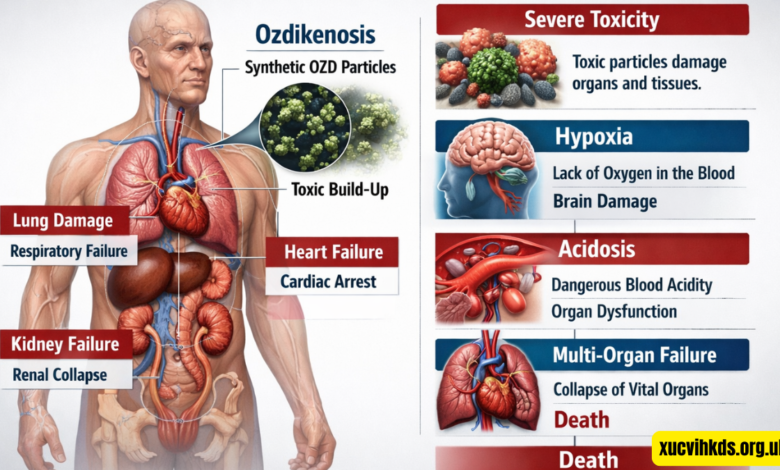
Each of these issues alone can cause problems. Together, they create a domino effect. Organs like the heart, kidneys, and liver become vulnerable. That’s the medical explanation behind why does ozdikenosis kill you—the body’s essential systems slowly fail.
Common Symptoms to Watch For
Symptoms of ozdikenosis often appear gradually, which can make early detection tricky. Many patients report feeling fatigued, weak, or unusually breathless. Some also experience digestive issues, muscle pain, or neurological changes such as confusion or memory lapses.
A friend of mine’s cousin was an avid runner, and he noticed that over a few months, he couldn’t maintain the distances he used to. At first, he thought it was stress or aging, but later medical tests hinted at mitochondrial and metabolic irregularities. While his case wasn’t labeled ozdikenosis officially, it illustrates how subtle the early signs can be and why people later ask, why does ozdikenosis kill you when the illness progresses undetected.
Major Causes Behind the Disease
Although exact causes are still being studied, most sources suggest that ozdikenosis arises from a mix of genetic mutations and environmental factors.
- Genetic Mutations: Certain inherited gene defects affect the enzymes responsible for energy production.
- Environmental Triggers: Exposure to toxins, chronic stress, or poor nutrition can accelerate symptoms in susceptible individuals.
- Metabolic Overload: Sometimes, the body’s detox pathways are overwhelmed, causing cells to underperform.
Think of it like a car engine: if a key component is faulty and the fuel isn’t reaching all cylinders, the engine sputters and eventually fails. That analogy mirrors the progression of ozdikenosis and explains the underlying mechanism behind why does ozdikenosis kill you.
Risks and Complications
Ozdikenosis is considered dangerous primarily because it doesn’t affect just one organ. Here’s what can happen:
- Heart Failure: Energy-deprived heart muscles cannot pump efficiently.
- Kidney Dysfunction: Toxins that aren’t filtered properly can accumulate.
- Liver Problems: Impaired metabolism stresses liver function.
- Neurological Decline: Brain cells are highly energy-dependent and are often the first to suffer noticeable damage.
- Immune System Weakness: The body becomes less capable of fighting infections.
These complications are why doctors often describe ozdikenosis as a multi-system disorder. The question why does ozdikenosis kill you is directly linked to the cumulative effect of these failures. It’s rarely a single catastrophic event; it’s a slow, cascading decline.
Real-Life Experiences
Hearing medical jargon is one thing, but real-life stories make it clearer. One story shared on a rare diseases forum described a woman whose daily activities became exhausting. Simple tasks like walking up stairs left her drained. Tests revealed multiple organ stress. Although she was under continuous medical supervision, she later shared that understanding why does ozdikenosis kill you helped her family prepare emotionally and practically.
Stories like these underline a key point: knowledge of a condition doesn’t just inform treatment—it helps people make life adjustments and seek support early.
How Doctors Approach Treatment
Currently, treatment focuses on managing symptoms and slowing progression. There’s no universal cure yet. Some approaches include:
- Nutritional Support: Supplements or diets to support mitochondrial function.
- Physical Therapy: Gentle, structured activity to maintain muscle health.
- Medical Monitoring: Regular checks on heart, kidney, and liver function.
- Experimental Therapies: Some patients participate in clinical trials aiming to improve cellular energy metabolism.
These measures can improve quality of life but cannot always stop the gradual decline. That’s why understanding why does ozdikenosis kill you isn’t just theoretical—it guides realistic care strategies.
Misconceptions and Myths
Because ozdikenosis is so rare, misinformation spreads quickly. Some articles claim it’s instantly fatal, which isn’t accurate. The reality is that its danger comes from long-term organ stress and cumulative cellular dysfunction. Other myths suggest lifestyle alone can prevent it, which oversimplifies a genetic condition.
Addressing these misconceptions helps families make informed decisions instead of panicking when they hear the scary question: why does ozdikenosis kill you.
Early Detection and Prevention Tips
While you can’t always prevent a genetic condition, some steps can reduce risk of complications:
- Maintain a balanced diet rich in antioxidants.
- Avoid toxins like excessive alcohol and pollutants.
- Manage stress effectively.
- Seek regular check-ups, especially if you have a family history of metabolic disorders.
Early monitoring can catch organ stress before it becomes severe, giving medical teams a chance to intervene.
Living With Ozdikenosis
Living with a rare condition like ozdikenosis can be emotionally challenging. Many patients benefit from support groups and connecting with others facing similar struggles. Sharing experiences can make the technical question why does ozdikenosis kill you less intimidating. Emotional resilience, combined with medical guidance, helps improve day-to-day life.
FAQs About Ozdikenosis
1. Can ozdikenosis be cured completely?
Currently, there is no known cure. Treatment focuses on symptom management and slowing progression.
2. How long can someone live with ozdikenosis?
It varies widely. Early detection and careful management can significantly improve quality of life.
3. Is ozdikenosis inherited?
Yes, genetic factors play a significant role, but environmental triggers can influence severity.
4. Are there warning signs I should watch for?
Fatigue, breathlessness, muscle weakness, and memory problems are common early symptoms.
5. Can lifestyle changes help prevent fatal outcomes?
They can reduce complications but cannot eliminate the genetic risks entirely. Proper nutrition and monitoring help.
Conclusion
Understanding why does ozdikenosis kill you is not just about fear—it’s about awareness, preparation, and informed care. The condition highlights how delicate our cellular systems are and how small disruptions can ripple across the body. By focusing on symptoms, risks, and proper management, families and patients can approach ozdikenosis with knowledge rather than panic. Awareness is the first step toward thoughtful intervention, and even rare conditions deserve our attention and understanding.
You May Read Also